 Agro Products Pvt Ltd
Private Label Guide
How to start a private label flour brand in India.
Launching an atta or flour brand requires more than a logo and a pack. Strong launches align compliance, product performance, packaging and supply planning before the first commercial batch.
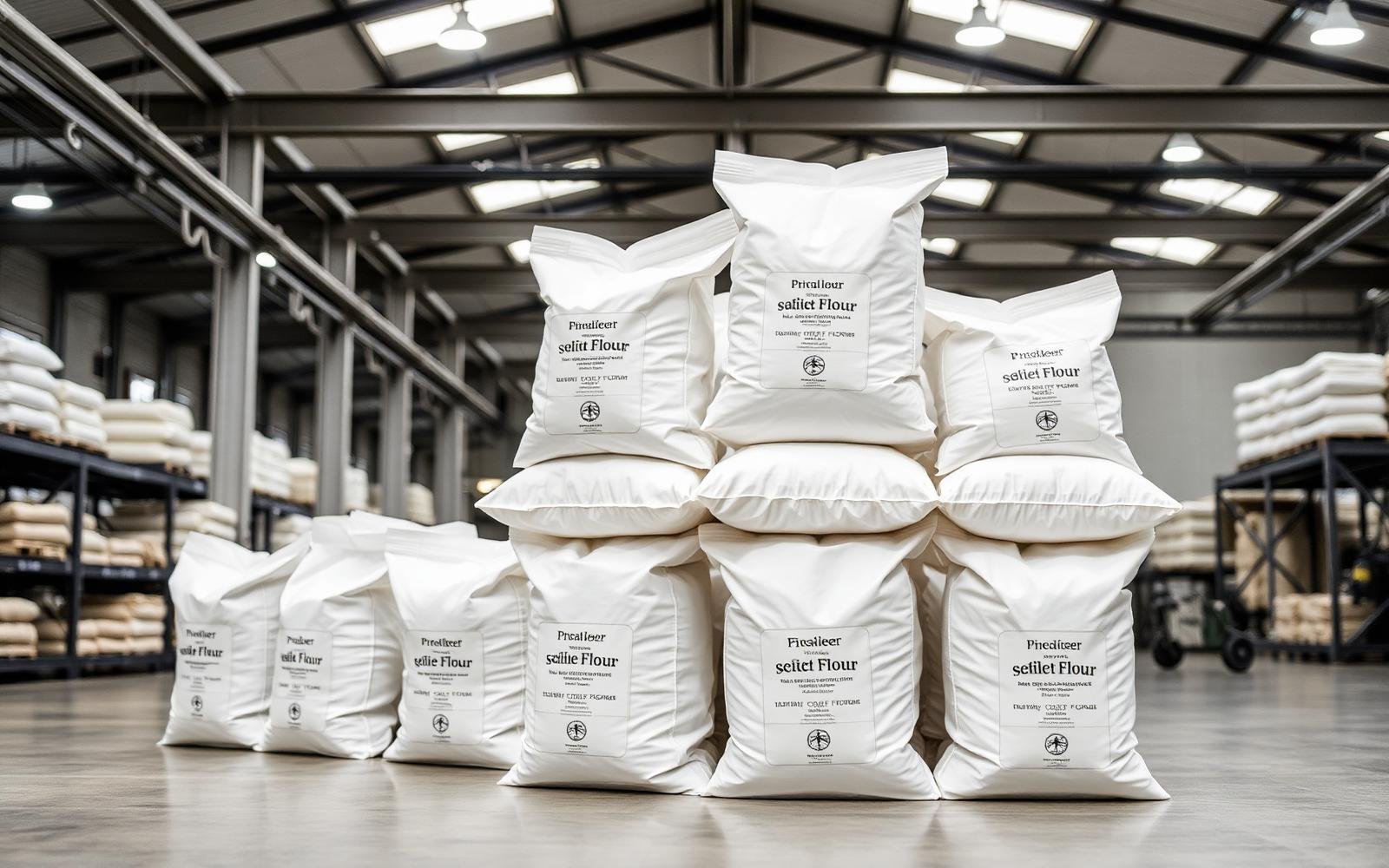
Six steps from concept to commercial production
- Define your customer and product. Decide the target segment, applications, pack sizes, price point and distribution channel.
- Set the flour specification. Agree protein, gluten, ash, moisture, granulation and water absorption based on the required performance.
- Complete FSSAI compliance. Ensure the brand owner, manufacturer and labels meet applicable licensing and labelling requirements.
- Choose packaging and artwork. Confirm barrier performance, sealing, coding space, artwork approvals and pack formats.
- Validate samples and shelf life. Test pilot samples in the intended application and document acceptance criteria.
- Plan production and distribution. Agree MOQs, forecasts, lead times, batch release procedures and dispatch destinations.
What to check in a manufacturing partner
Food safety: certification, FSSAI licensing, hygiene controls and traceability.
Technical capability: laboratory testing, milling automation and the ability to hold specifications.
Packaging flexibility: supported pack sizes, coding, artwork workflows and retail or industrial formats.
Supply reliability: capacity, storage, sourcing, delivery coverage and contingency planning.
Ready to develop your flour brand?
Clarion Agro supports private label atta, maida, sooji and custom flour products with application-specific recipes and packaging from 1 kg retail packs to 50 kg industrial bags.